
Process Modelling
Unlocking Material Behavior Through Advanced Process Modelling and Simulation
Process Modelling
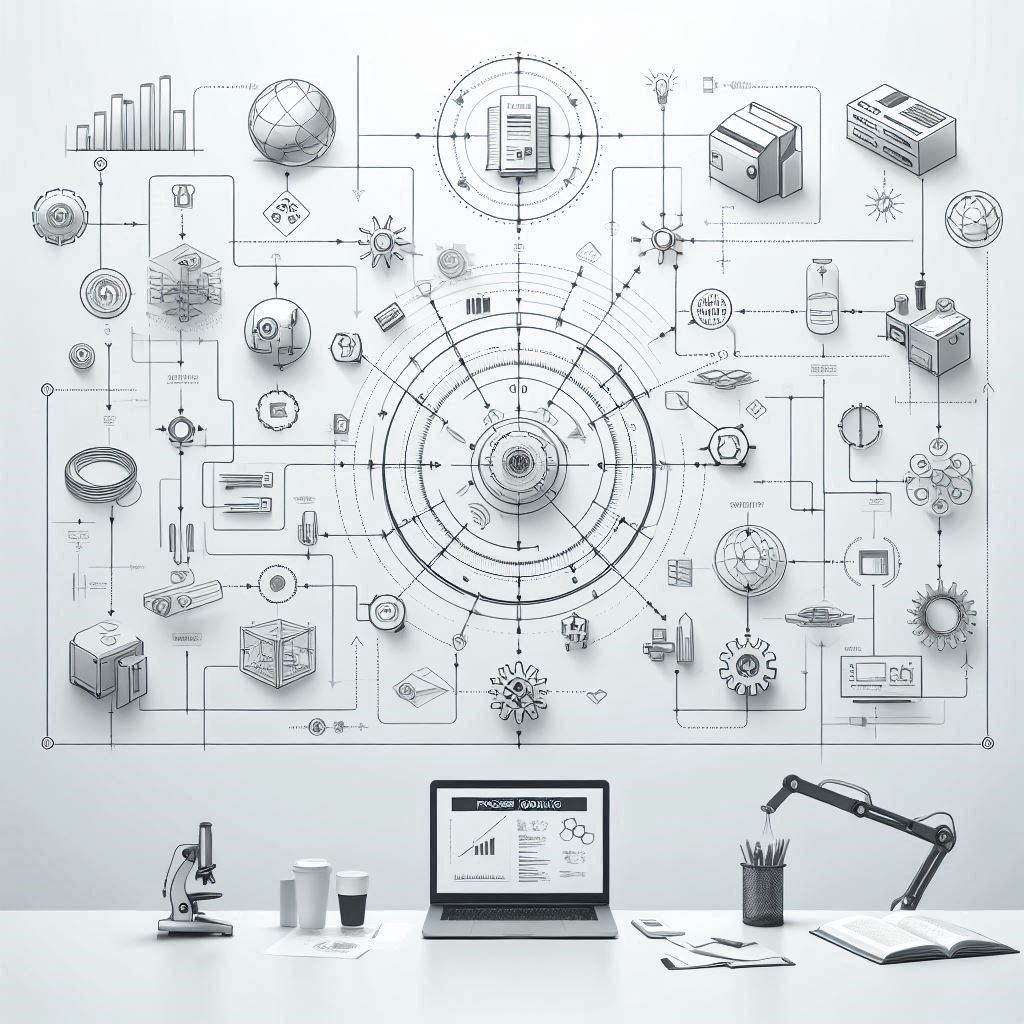
In the field of modern materials science, manufacturing processes represent the dynamic and ever-evolving counter-pole to stationary or static material states. At the MPA Conference, we recognize that the true potential of metallic materials is often hidden within these transient phases, where phenomena such as crystallization, grain growth, and dynamic recrystallization occur deep within the structure. Because these transformations are frequently inaccessible to direct observation—whether during the intense heat of welding and casting or the extreme deformations of rolling and friction stir welding—process modelling serves as our most powerful tool for discovery. By moving beyond purely empirical observations, modelling allows us to decode the underlying physics and develop robust surrogate models for complex relationships that remain otherwise indescribable. It provides a unique digital environment where parameters such as tool geometries, plant settings, or semi-finished product properties can be varied systematically through numerical values, entirely free from the overlapping scatter and logistical constraints of physical experimentation. This session aims to bridge the gap between fundamental research and industrial feasibility, creating an inclusive forum where the gain of knowledge is driven by high-fidelity simulations that illuminate the path toward the materials of tomorrow.
We invite researchers and practitioners to submit their work covering a broad technological and methodological spectrum. Contributions are welcome on both established industrial processes and novel, emerging technologies.
Bringing together experimental research, advanced modelling, and regulatory perspectives, this session aims to foster discussion on sustainable and safe nuclear technologies for the future.
Key topics of interest include:
Join us for an interesting session with lots of insightful presentations from renowned experts, engaging panel discussions and workshops, networking opportunities with peers in the field and possibilities to explore cutting-edge modelling techniques and applications.
Program Committee
Contact us
You have further questions or want to propose a topic?
Give our experts a call!